The Real Strategy Behind Influencer Marketing: CrowdPosting®
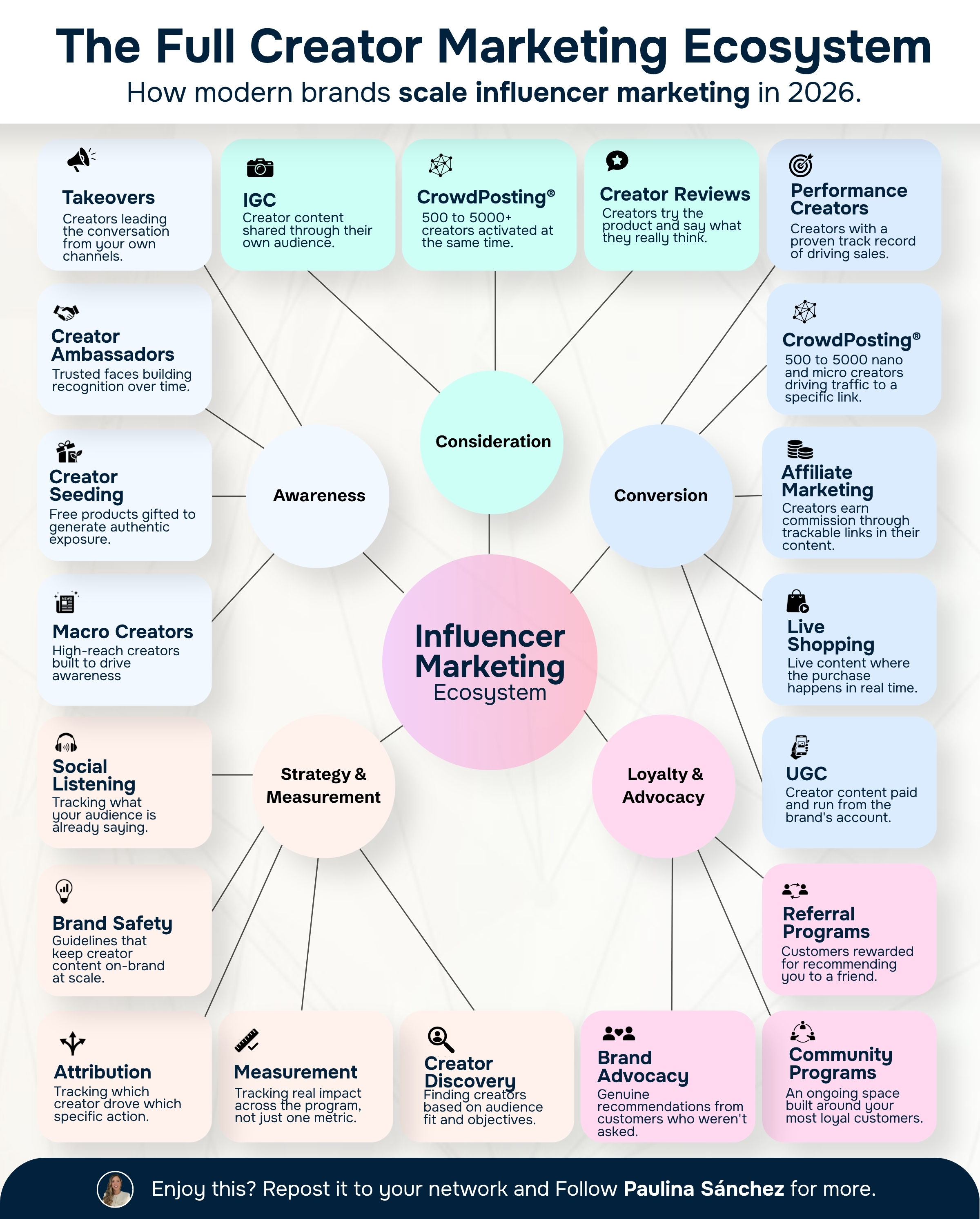
Influencer marketing isn't about one famous person—it's about coordinating the right mix of creators to reach the right audience at the right time. CrowdPosting® activates micro and nano influencers simultaneously to create coordinated momentum across product launches, real-time trends, and conversions.
2 min read

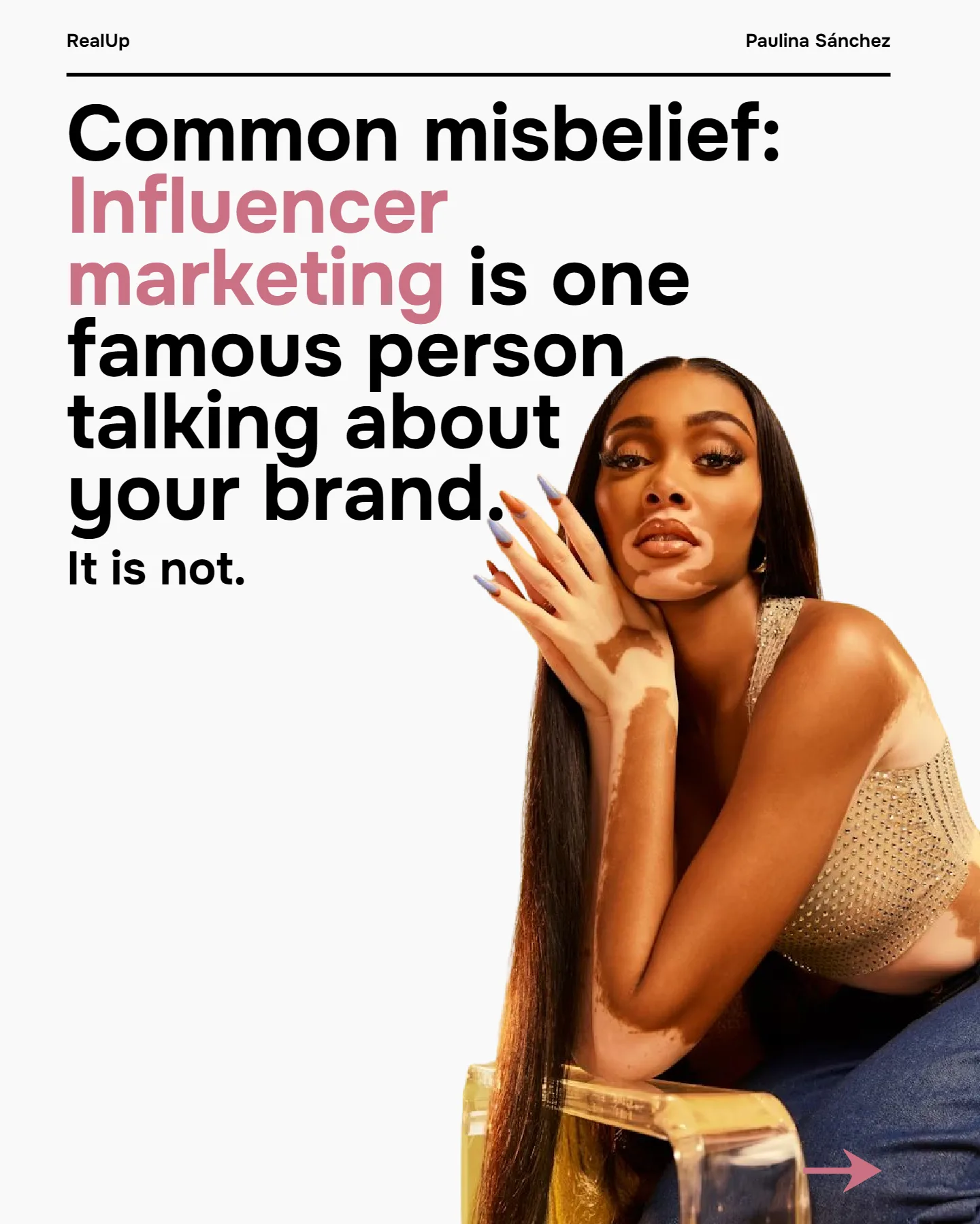
Common misbelief: Influencer marketing is one famous person talking about your brand.
It is not. It is actually the right mix of influencers talking to the right audience at the right time.
That's what CrowdPosting® enables you. Not a single post, but a coordinated signal.
It consists of micro and nano creators who are activated at the same time.
They see your brand here, then there, then everywhere. So they receive a recommendation from someone in their city, in their niche, who is speaking in a voice that sounds nothing like an ad.
There are three things CrowdPosting® does better than any other strategy in influencer marketing:
The first is product launches.
We once activated 500 influencers at 6 pm on the same day for a beauty brand launch. Within hours, the feeds were flooded.
That's the mechanism: repetition at volume creates the impression that everyone is talking about something, because in that moment, they actually are.
The second is real-time marketing.
When a brand needs to move on a trend, a cultural moment, a meme or a news cycle, speed and volume are everything.
We ran a strategy with 300 influencers in a single day around a meme, and creators we hadn't paid started posting about it on their own.
They joined because the trend felt real. That's the compounding effect: you don't just reach an audience, you create momentum.
The third is conversions.
A nano influencer with 10,000 followers in a specific city has a 7% click-through rate. A mega creator with millions sits below 1%.
When you want someone to download an app or click a link, the creator who lives in their city and sounds like them converts better than the name they recognize from billboards.
We've scaled this across hundreds of cities in Latin America. It works every time.
The brands that understand this stop asking "who is the biggest creator we can afford?" and start asking "how many of the right creators can we coordinate?"
That's a different question. And it leads to very different results.
Enjoy this?
Follow me on LinkedIn