Influencer Marketing Isn't About Better Creators—It's About a Better System
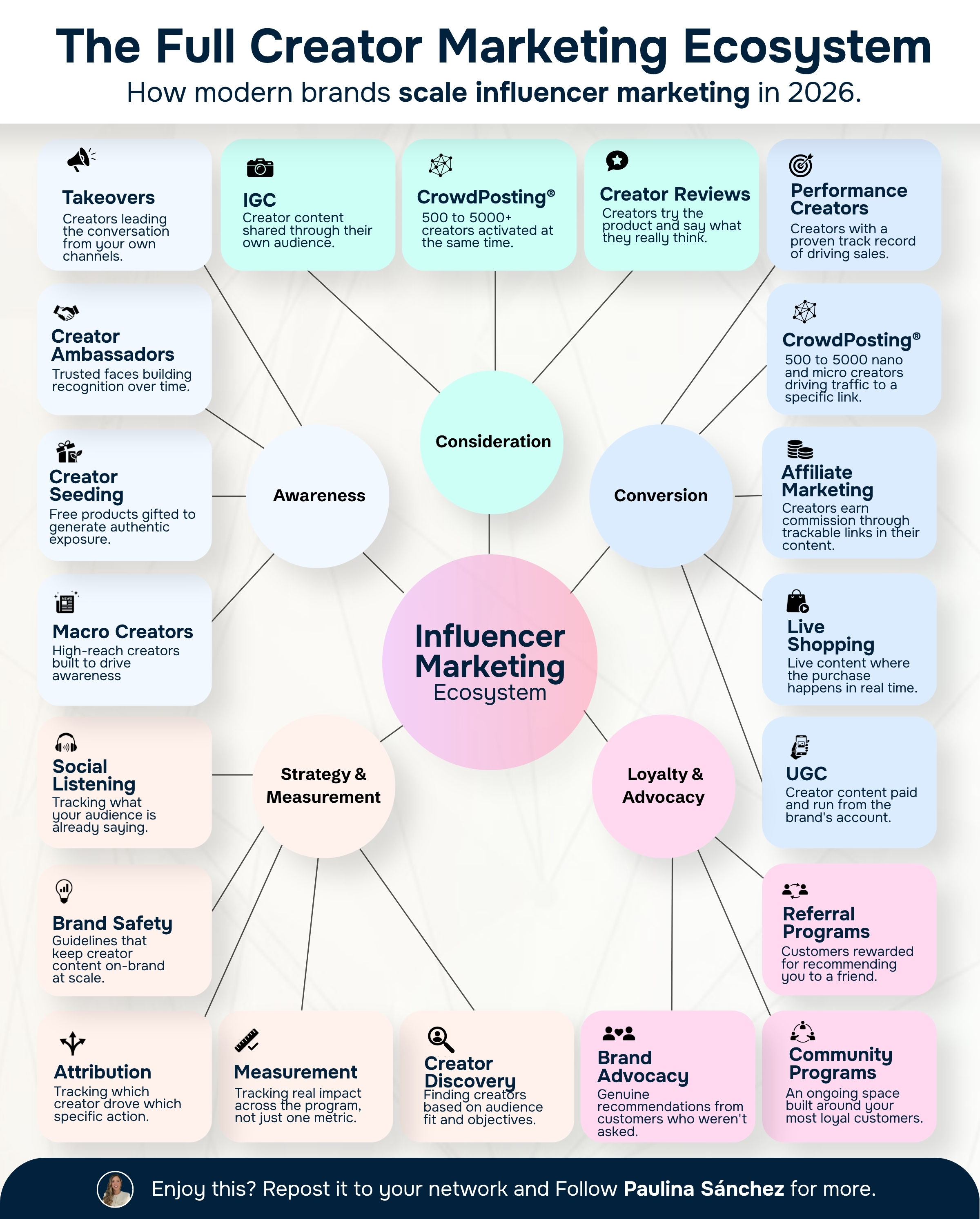
Most Brand Managers still use fragmented processes for influencer marketing, managing strategy, creator selection, execution, and measurement across separate tools. The brands winning today connect the entire workflow with technology, proving that better results come from a better system, not just better creators.
2 min read
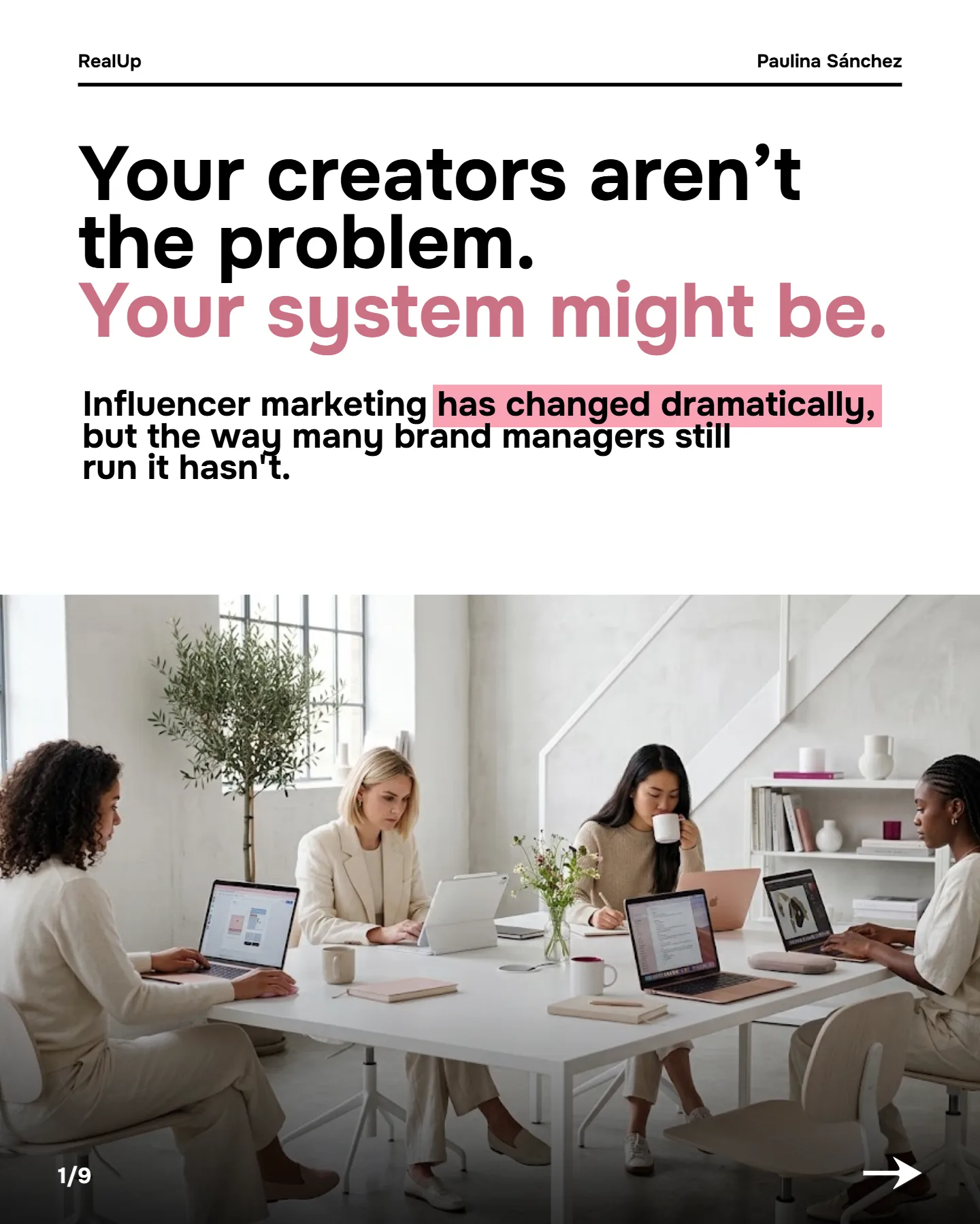
Influencer marketing keeps evolving. But most Brand Managers are still playing by the old rules:
For years, the playbook was simple:
Find a creator. Publish content. Measure reach. Repeat.
That model made sense when influencer marketing was mainly a distribution channel: Get a message in front of people, and measure how many of them saw it.
But influencer marketing isn't just about distribution anymore. The industry crossed $32 billion this year, and as it has grown, so has the complexity of running it effectively.
More creators. More platforms. More data. More decisions to make.
Yet many Brand Managers are still managing all of that with a fragmented process. Strategy lives in one deck. Creator selection happens in another tool. Execution happens somewhere else. And measurement ends up in a spreadsheet nobody opens twice.
That's where many brands are getting stuck. And it's not necessarily because they're working with the wrong creators. It's because the different parts of the operation aren't connected.
The brands getting the most out of influencer marketing today are connecting the entire process with technology:
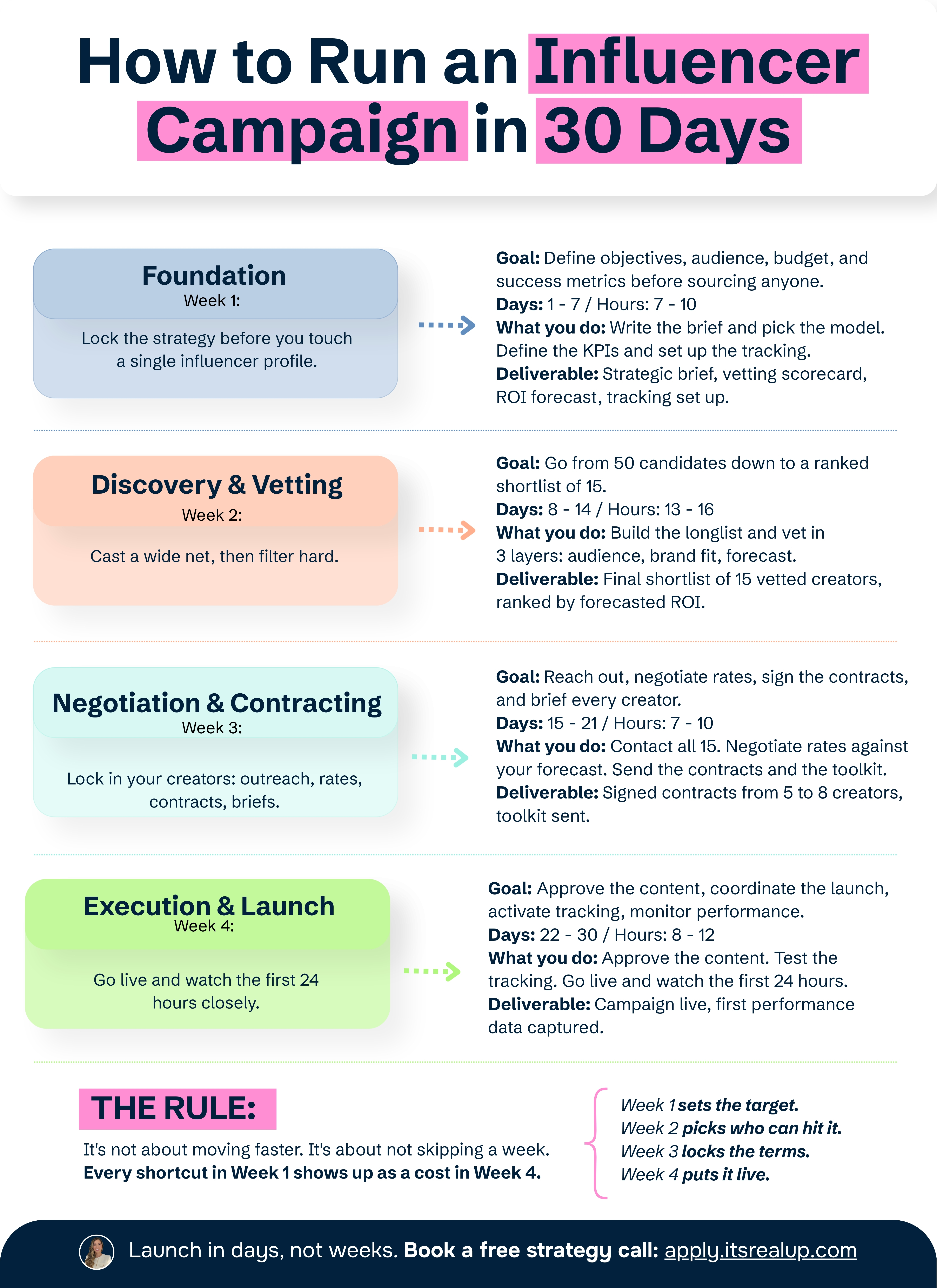
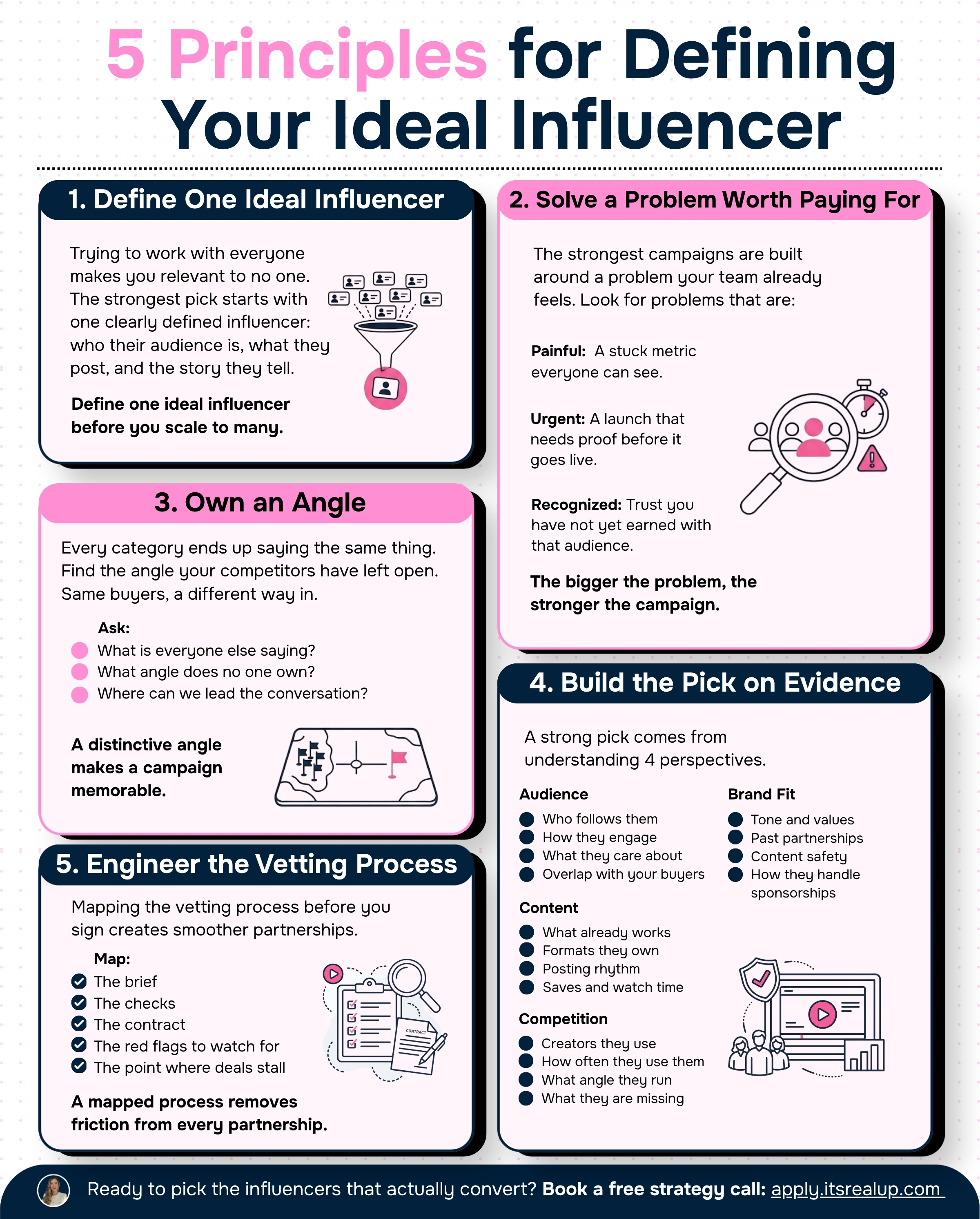
Strategy, creator selection, execution, and measurement. One system instead of five separate jobs handed to five separate people.
Because better influencer marketing isn't always about finding better creators. It's about building a better way to work with them. Same creators. Same budgets. Different system. Different results.
Most brands keep upgrading the creator while leaving the system untouched. So the question was never whether influencer marketing works. It's whether the way you're running it is built for where influencer marketing is today.
Enjoy this?
Follow Paulina on LinkedIn