74% of Marketers Are Increasing Influencer Marketing Budgets in 2026
According to Aspire's 2026 State of Influencer Marketing Report, three-quarters of marketers plan to increase influencer marketing budgets as LATAM's social commerce market surges and micro-influencers capture nearly half of all spending.
2 min read

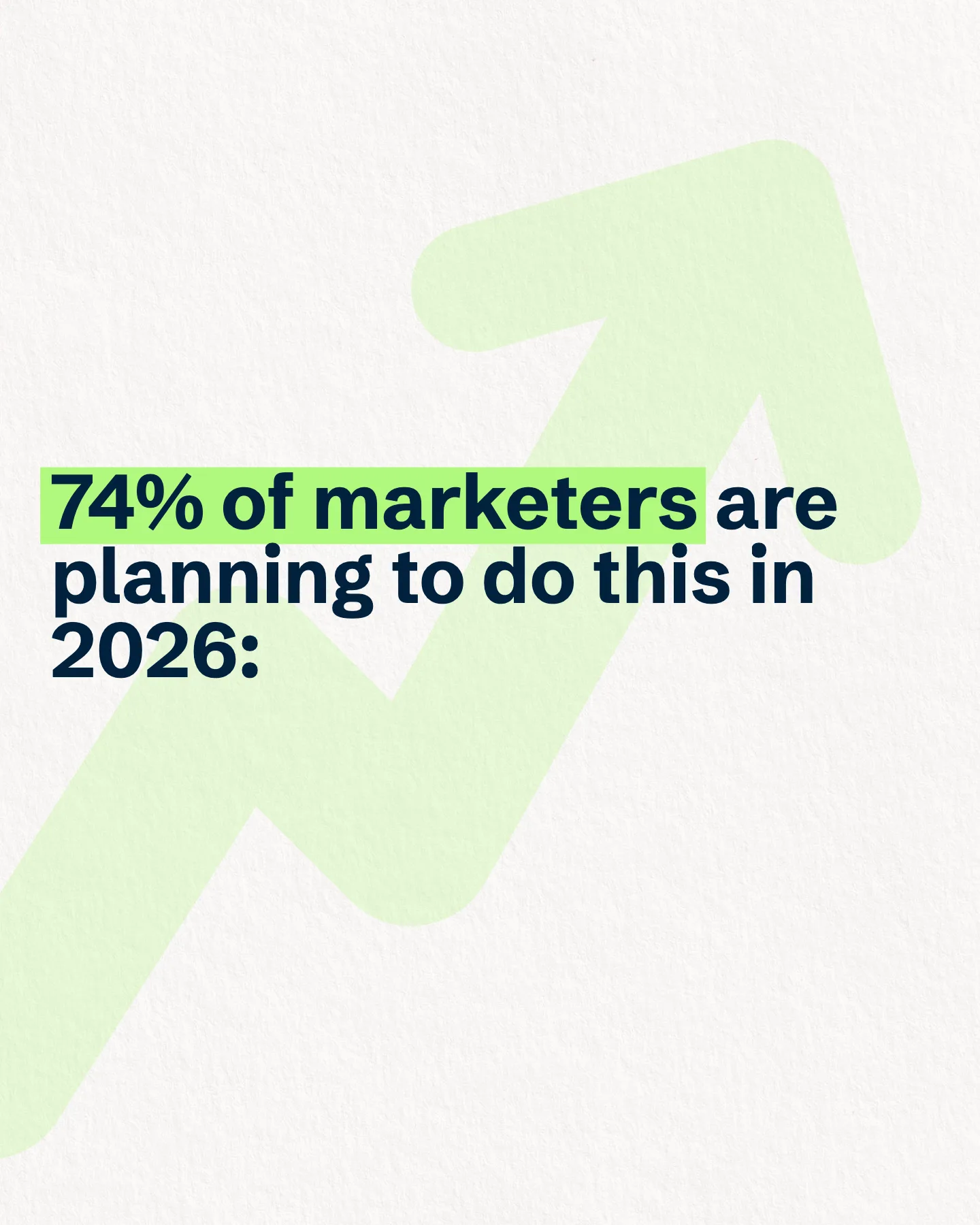
Increase their influencer marketing budgets.
According to Aspire's 2026 State of Influencer Marketing Report, the market is shifting fast, and the smartest brands are already adapting their creator strategy accordingly.
The data makes that shift hard to ignore:
→ LATAM's social commerce market is projected to reach $194.3B in 2026, growing 12.7% annually as creator-led purchasing behavior and mobile-first shopping continue accelerating across the region
→ Micro- and nano-influencers will capture 45.5% of influencer marketing spend in 2026
→ LATAM's influencer marketing industry is projected to surpass $8.6B by 2030, growing at a 25.1% CAGR as brands scale creator partnerships across the region.
What do these numbers actually mean?
This is no longer a debate about whether influencer marketing works.
It's now a question of which brands are building scalable creator infrastructure early and which brands are falling behind while costs rise.
The shift toward micro and nano-creators is especially important.
Smaller creators often outperform larger ones because they operate inside tighter, higher-trust communities, driving stronger engagement and more efficient conversions.
That changes how modern influencer programs should be structured.
3 things marketers should do now:
1. Audit your creator tier mix:
If most of your investment is still concentrated in macro creators, there's a good chance you're overpaying for reach while underinvesting in relevance and conversion efficiency.
2. Build creator relationships before competition intensifies:
As more brands increase influencer budgets, high-performing micro creators will become harder (and more expensive) to activate consistently.
3. Treat LATAM as a strategic growth market:
The region is evolving quickly across creator commerce, digital consumption, and social-driven purchasing behavior. Brands that build operational capability early will have a significant advantage as the market matures.
Enjoy this?
Follow me on LinkedIn for more